Reasons not to get dental veneers
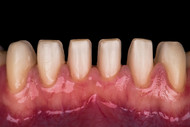
Dental veneers are a common cosmetic enhancement in the dental world and have quickly become the go-to treatment for those looking to improve their smile.
Praised for their ability to take natural smiles and turn them into red carpet-worthy pearly whites, dental veneers can be used to disguise a variety of dental issues and insecurities, including discoloration, gaps, breaks, and chips.
Behind the glamor of the before and after pictures, what’s the reality of this instant solution?
Veneers are seen as an instant fix, but they come with a long list of considerations you must think about before diving in. However, these aren’t always made apparent during the consultation process and may only come to light a few months down the line.
In this blog post, we’ll delve into the world of dental veneers, covering what they are, their benefits, and why you should think twice before having the procedure.
But don’t worry, it won’t all be negative. If you’re having second thoughts about getting veneers, we also list a selection of alternatives depending on your dental concern and lifestyle.

What are dental veneers?
Dental veneers are a popular cosmetic solution that covers the natural teeth for a more perfected smile.
Adding a composite or porcelain veneer over the top of the tooth can improve its look and function while also providing strength to protect it from damage.
Benefits of dental veneers
When done properly, veneers can be used to correct:
- Discoloration
- Gaps in the teeth
- Misaligned teeth
- Broken or chipped teeth
Being naturally stain-resistant, veneers are a great option when it comes to perfecting your smile. Providing a bright, white, and even smile, patients notice a huge boost in confidence in all areas of their lives, greatly improving their quality of life.
A combination of treatments is often needed to perfect smiles, which can not only be time-consuming, but tends to cost a lot, too. Having veneers is a one-stop-shop to get your dream smile, as you don’t have to wait months (or years like some treatments) to see results.
The dental veneer process
The initial consultation is the perfect chance for you to discuss your smile goals and learn more about the process of getting dental veneers. Your dentist will assess your dental health to determine if it’s the best cosmetic option for you.
The natural teeth are shaved down (in varying amounts, depending on the dental clinic you choose), and an impression will be taken in order to create your new smile.
Relatively pain-free, you can choose the shade and shape of the veneer for the look you want to achieve. From bright white to a more natural enhancement, the choice is yours.
While the dental veneers are being made, you will be given temporary veneers - a less durable clip-on solution that allows you to try out how your new teeth will look and feel when the final set is fitted.
If you find the temporary veneer uncomfortable, too big, or too bright, let your dentist know so they can make changes to the porcelain veneer. It’s difficult to make changes when the final product is fitted, so it’s better to say something sooner rather than later.
Once your dental veneers are ready, they will be placed over the front surface of the tooth to hide imperfections.
To ensure your new smile is just how you want it, your dentist will make any necessary adjustments to the shape before you leave.

Types of dental veneers
Dental veneers aren’t a one-size-fits-all solution. There are a few different options available, depending on the dentist you visit and the condition of your teeth.
Porcelain veneers
With porcelain veneers, the teeth are ground down (the amount varies depending on your chosen provider) before an impression is made. This mold will then be sent out to be made into your porcelain veneer(s).
During this time, you’ll be given a temporary veneer to wear, to not only disguise the ground-down tooth but also to give you an indication of how your new smile will look and feel.
However, some dentists use computer programs to design the veneer right there and then.
Once ready, your dentist will adhere it to your tooth.
Composite resin veneers
Similar to dental bonding techniques, composite veneers use a composite material to perfect the teeth.With veneers, the whole surface of the tooth is covered, rather than only using the material to adjust the shape.
The tooth only needs to be buffed slightly to ensure the composite can adhere correctly, making it a less invasive and non-permanent option.
No-prep veneers
After seeing long-lasting damage to teeth from excessive veneer preparation, dental professionals developed no-prep veneers.
Instead of removing both the enamel and layers of the actual tooth, just the enamel is etched in order to add the veneer to the patient’s smile.
This is less invasive and doesn’t require temporary veneers, making it the most preferable option out of the three.
Veneers eligibility
As with any dental treatment, there are certain features you must have in order to be eligible for dental veneers.
These include:
Excellent oral health
If you can’t uphold a proper oral health routine and avoid dental visits, it’s likely you’ll be denied veneers.
You’ll also be classed as ineligible if you’re prone to gum disease, as this can affect the health of your teeth – and in extreme cases, cause them to fall out.
If you’ve previously had gum disease and had it treated, you may be able to get veneers if you’re showing no signs of infection or loose teeth.
Moderately straight teeth
While veneers can make teeth look straighter, they cover your teeth in their current shape, so your teeth must already be moderately straight in order to get signed off for dental veneers.
Little to no jaw or bite problems
If you clench your jaw or grind your teeth, you can have veneers, but you must be aware that they’ll wear down much quicker than the average person.
A lot of force can cause tension, which is when cracks and breaks start to appear.
If you do grind or clench your teeth, it’s advised you speak to your dentist about alternative options.

Are dental veneers expensive?
When you look at available dental enhancements, veneers are pretty costly. They’re usually priced per tooth, making it an expensive option - especially if you’re considering a full set.
In the US, it can cost between $400 and $2,500 per tooth, depending on the material (composite or porcelain) and the dental practice you choose.
As tastes and trends change, there’s always the potential that you won’t like the look in the next few years, wasting both your time and money.
Intense aftercare is involved
Aftercare is vital when it comes to maintaining the look of dental veneers.
You must be able to commit to and practice a thorough oral hygiene routine, including flossing, brushing, and visiting your dentist often to avoid problems going unnoticed.
If you don’t look after them properly, your natural teeth will start to decay, increasing the need for further dental work down the line, which increases the overall cost further.
Dental veneers don’t last as long as you think
Dental veneers typically last around 10-15 years.
To preserve the look and feel of dental veneers, you must avoid grinding your teeth and smoking. You must also have regular dental checkups with your dentist and maintain a thorough at-home oral hygiene routine.
With a full set of veneers costing $80,000 (for 32 veneers costing $2,500 each), it’s an expensive look to maintain.
If you’re not careful with your veneers or do not maintain a proper oral hygiene routine, they can wear down much sooner than expected, leading to replacement much earlier than usual.
Dangers with getting dental veneers abroad
Each year, hundreds of thousands of Americans travel to places like Mexico and the Philippines for cosmetic procedures, including dental veneers.
However, with the associated risks, it’s becoming more and more dangerous to undergo medical procedures outside of the US.
Not only does it come with a long list of complications, but you can’t guarantee that the work will be done right, meaning you may need to shell out for reconstructive treatment sooner than you’d like.

Why do people travel for cosmetic dental work?
The main reason why people undergo cosmetic dental treatments in another country is that it’s often cheaper.
According to research carried out by Forbes, Americans travel abroad because they can save anywhere from 50-80% on dental procedures.
But is it worth the risk?
The price often reflects the quality of not just the products and materials used, but also the training of the dentist carrying out the procedure and the reliability of the facility itself.
Risks of medical tourism
Damage to natural teeth
When getting veneers in the US, the natural teeth won’t be filed down too much, just enough for the veneer to adhere to the surface.
But in places like Mexico, it’s common for the teeth to be worn down into small stubs.
Long-lasting pain
This damage to the natural teeth can increase sensitivity and pain in the teeth, making it hard to consume hot and cold food or drink.
Ill-fitting veneers
Medical tourism has connotations with poor quality materials and unreliable procedures, carried out by dentists with low standards.
This lack of care and accuracy can lead to poorly fitting veneers, looking out of place in the mouth.
Infection
Using equipment that isn’t properly sanitized can cause bacteria to get into the gums, causing infection, which can spread to the sinuses and even bone if left untreated.
Incorrect procedure
It’s not uncommon for patients to come away with full crowns rather than veneers.
Poorly bonded veneers can fall off easily, crack, or move out of place when chewing and biting.
Rotting teeth
If the natural teeth have existing problems and are not treated correctly, or at all, the teeth can rot underneath the veneer.
Requirement for further treatment
If there is a problem after getting veneers abroad, further treatment (and sometimes surgery) is required in order to resolve it.
This comes at an additional cost.
To save money in the long term, it’s much better to go to a trusted clinic for any kind of cosmetic dental work.
Not only will this save you money, but if you do require any changes to your veneers, it’s much easier to pay them a visit.
You’ll also be given quality aftercare to help you maintain your new smile.
Permanent change
When people opt for veneers, they don’t consider the fact that it’s a permanent change, causing damage to their natural teeth.
While the veneers themselves aren’t considered permanent, the alterations to what’s underneath are.
If you choose to get them removed, you will have to undergo further treatment to correct the damage done during the preparation process.
Being relatively invasive, the front layer of enamel needs to be removed from the teeth to make room for the veneer and enhance adhesion. This can cause sensitivity and make your teeth look and feel thinner than they actually are. It can also create gaps between the teeth.
And what if you change your mind?
There’s no real way to see how veneers would look and feel in your mouth other than temporary veneers, which come with their own set of drawbacks.
It's crucial to carefully consider the irreversible nature of this procedure and evaluate all options before making a decision that will last a lifetime.
Dental veneers are noticeable and unnatural
Dental veneers have a reputation for being noticeable and making the surface area of the tooth much larger, so if you want natural enhancement, veneers may not be the best option for you.
Because of this, most patients get a full set to avoid them contrasting against their natural teeth. Patients often complain about them feeling thick and clunky in their mouth, affecting the way they speak, smile, and eat.
Porcelain is known for being relatively stain-resistant, but if you have your natural teeth surrounding the veneer, these can discolor over time. Those with veneers often get their natural teeth whitened to give a more uniform look.
Alternatives to dental veneers
The best alternative for you depends on the dental issues you’re trying to correct.
Here is a list of common cosmetic enhancements that resolve a range of dental problems and insecurities.
Braces
Misaligned teeth can be a cosmetic issue (not liking the way the teeth look), or medical (when the misalignment causes problems with the jaw and bite).
Over time, the wires in the braces are tightened to move the teeth into a more desirable position.
The length of time it takes to complete treatment is patient-dependent, but on average it takes between 18 and 24 months.
Invisalign
Invisalign is similar to braces, in the way it creates a straighter smile over time.
However, this method uses clear aligners which are molded to your teeth and changed over time to gently move the teeth.
You will either be sent a new aligner every month or so or be asked to pick it up from your dentist.
It usually takes less time for Invisalign patients to complete treatment, as it is mainly used by those with just slight misalignments, but it can sometimes be used for more complex cases.
Teeth whitening
A highly common dental treatment in the US, teeth whitening is a quick fix for those who are insecure about their smile.
If you have surface stains, discoloration, or naturally yellow-toned teeth, teeth whitening can brighten and whiten the teeth, giving you a more youthful and healthier-looking smile.
However, if you have other problems you want to fix, like wonky or chipped teeth, you’ll need to use teeth whitening in combination with another procedure.
Composite bonding
Using a tooth-colored resin, composite bonding (or dental bonding) is used to fill chips, cracks, and gaps to perfect the teeth/tooth. It can also be used as an overlay to hide discoloration.
It’s attached to the teeth to perfect the shape and shade, without causing any damage to the natural teeth underneath.
However, dental bonding is slightly less durable than veneers, and may need touching up more often as it naturally wears down.
Clip-on veneers
Clip-on veneers, pop-in veneers, or a snap-on smile – there are many names for this innovative smile solution.
At instasmile, we provide high-quality, durable, and comfortable clip-on veneers that are designed and fitted bespoke to your unique measurements.
You can wear them when you need an extra boost, or as a daily addition to help you take on each day with confidence.
They can be used for a variety of dental concerns, including broken, chipped, misaligned, or discolored teeth.
Available in 4 shades, you can create a custom smile that matches your exact requirements.
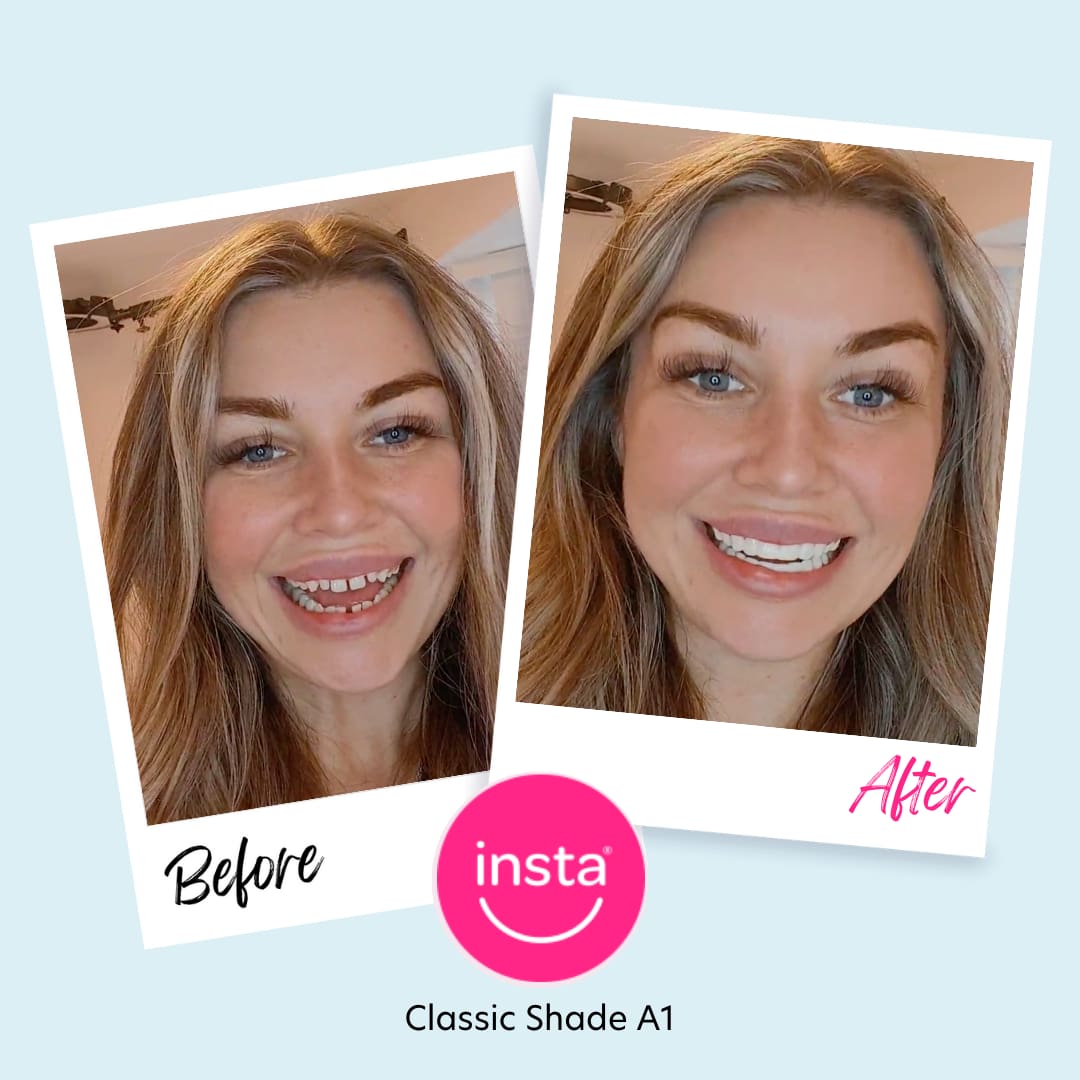
Perfect your smile with instasmile
If you’re looking for a smile solution that’s flexible, customizable, and made bespoke to your exact measurements, instasmile is here to help.
Our at-home method means we’ll send your impression kit straight to your door after just a short smile assessment. We’ll then get to work creating your clip-on veneers.
Once they’re ready, we’ll send them over!
You can then take selfies, socialize, and live your life to the fullest with a smile to be proud of.
For more information,get started today!
 UK
UK
 USA
USA
 Australia